
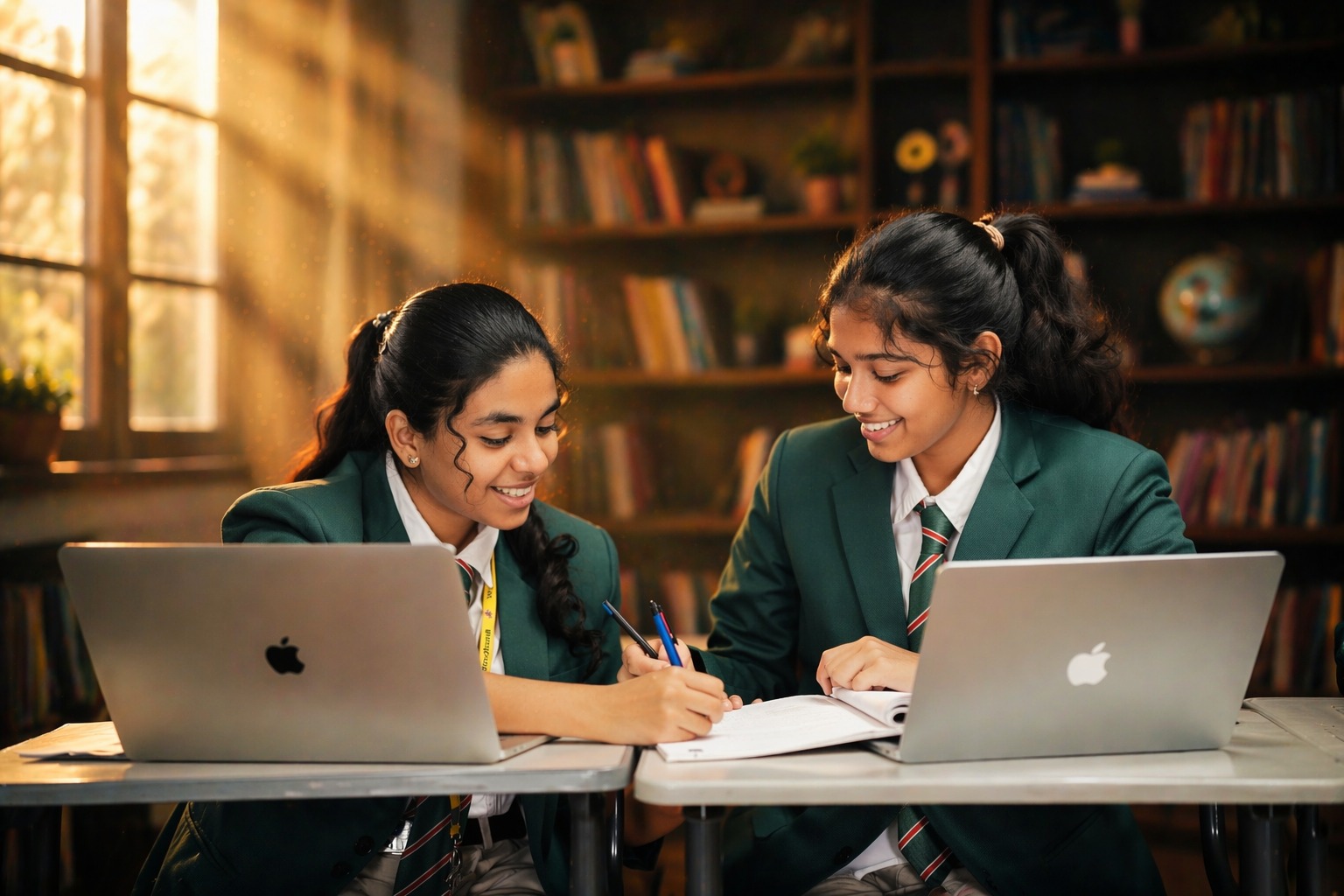
Beyond What We Learn: Why Our Own Thinking Matters
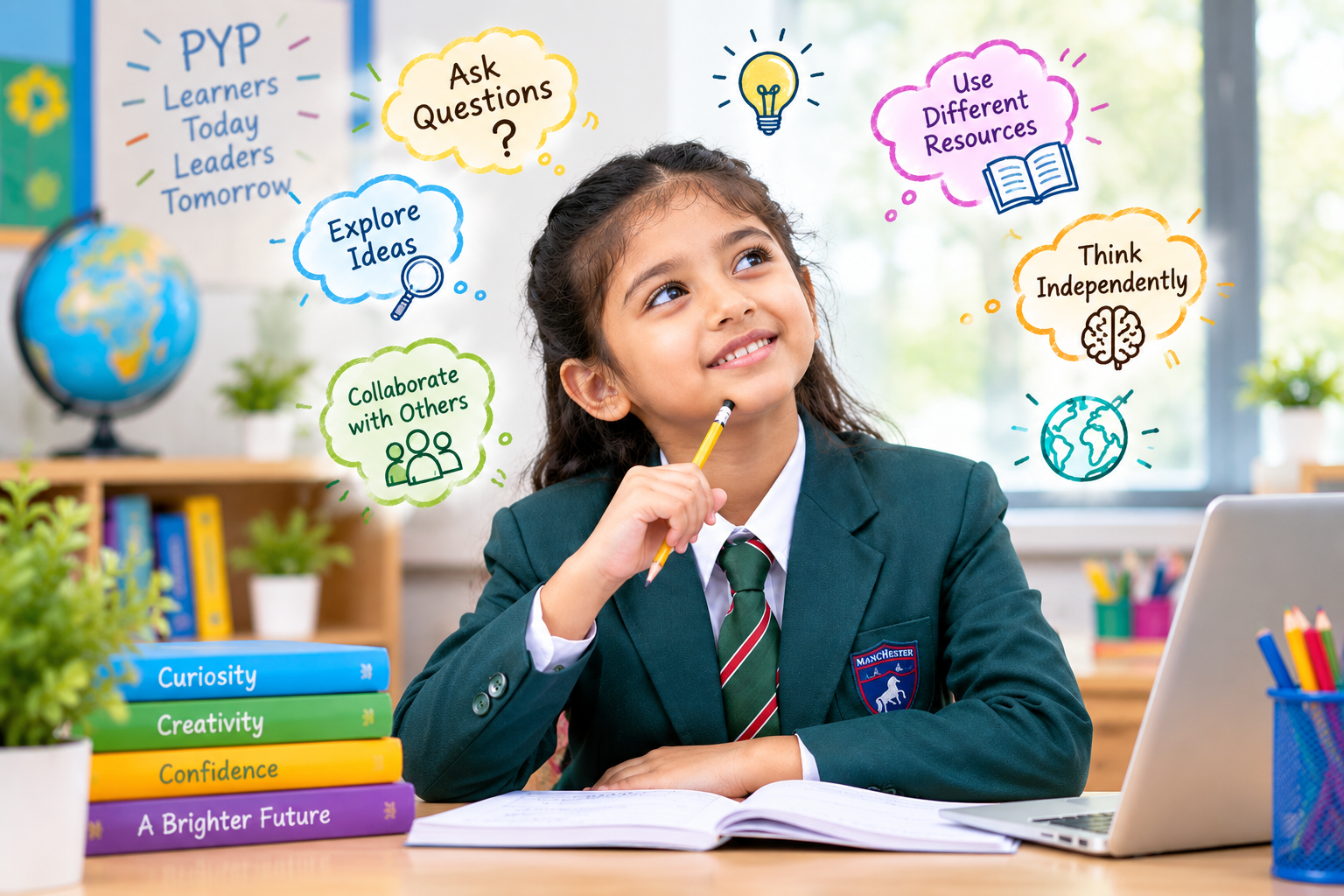
A PYP Student's Perspective on Intelligence, Curiosity and Independent Thinking In a world where answers are just a search away and artificial intelligence can explain almost anything, I sometimes wonder: how much do we really need to think for ourselves? As a PYP learner, I am encouraged to ask questions, explore ideas, collaborate with others and use different resources to understand the world. These experiences make learning exciting. But I am beginning to realise that there is something equally important that I bring to every learning experience: my own intelligence, intuition and ability to think independently. Imagine being given a challenging problem without a textbook, a search engine or someone to guide you. The first instinct might be to look for help. But what happens when we pause and try to work it out ourselves? We begin making connections, recognising patterns, questioning assumptions and exploring possibilities. We may not arrive at the correct answer immediately, but the process itself helps us become better thinkers. This is where our natural intelligence matters. It allows us to approach unfamiliar situations, use what we already know and make sense of information in our own way. Sometimes, a simple observation or an unexpected idea can lead us towards a solution that we might never have discovered by following instructions alone. At Manchester International School, learning through the Primary Years Programme encourages us to investigate questions rather than simply memorise answers. When we explore a scientific phenomenon, interpret a story or investigate a real-world problem, we learn to combine what we know with what we discover. Our teachers guide us, resources support us, and technology expands our possibilities. However, the thinking must ultimately be our own. This does not mean that we should avoid asking for help or using technology. Intelligence grows when we learn from others, listen to different perspectives and remain open to new ideas. The important thing is to avoid becoming so dependent on external answers that we stop trusting our own ability to reason, imagine and question. There is also a difference between knowing an answer and understanding it. I might find the solution to a mathematical problem online, but can I explain why it works? I might use artificial intelligence to gather information for a project, but can I identify what is reliable, make connections and form my own conclusions? These questions remind me that having access to information is not the same as developing understanding. As a learner, I want to become someone who can think independently while remaining curious enough to keep learning. I want to have the confidence to attempt difficult problems, the patience to explore different possibilities and the humility to admit when I need help. Perhaps the real purpose of education is not to make us dependent on answers, but to develop our ability to find, question and understand them. Because tools can help us learn, teachers can guide us, and books can expand our knowledge. But the willingness to think for ourselves is what turns these opportunities into meaningful learning.
No content yet.
.jpg)